Archive for the 'Headaches' Category

Headaches
(HA) can be tremendously disabling, forcing sufferers away from work or
play into a dark, quiet room to minimize any noise and light that
intensifies the pain. According to the National Headache Foundation,
there are over 45 million Americans who suffer from chronic,
re-occurring headaches, of which 28 million are of the migraine variety. [..]

Sinus headaches
refer to pain in the head, typically in and around the face. Most of us
are knowledgeable about two of our four sinuses: the frontal (forehead)
and maxillary (our “cheek bones”). The other two sinuses (called
ethmoid and sphenoid) are much less understood. Many patients ask
chiropractors about sinus problems, as all of [..]

Last month, we discussed three types of headaches: tension headaches (the most common), cluster headaches (a vascular headache—less
common, short duration but REALLY painful), and sinus headaches.
Migraine headaches were discussed the month before last. In keeping with
the theme, ONE more headache type will be discussed: rebound headaches,
followed by anti-inflammatory herbal remedies, and [..]

Headaches
come in several different sizes, shapes, and colors, so to speak. In
fact, if you search “headache classification,” you will find the IHS
(International Headache Society) 152-page manual (PDF) lists MANY
different types of headaches! Last month, we discussed migraine
headaches. This month, we’ll talk about the other headache types. So WHY
is this [..]
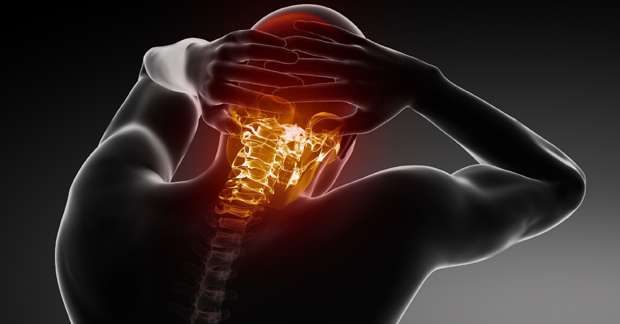
There are MANY different types of headaches,
of which migraines are a common type. This discussion will concentrate
on some unique characteristics that are associated with migraine
headaches. This information may help you understand what type of
headache you’re having. A unique feature of migraine headaches is that
prior to the start of the headache, [..]

Did you know that 9 out of 10 Americans suffer from headaches?
There are many different types of headaches with a multitude of
symptoms including achy, throbbing, nausea, vomiting, dizziness,
numbness, blinding, noise, light and/or odor sensitivity, and more. The
causes of headaches can include genetics (familial traits, like migraine headaches), stress or tension (probably [..]

This seems like an easy question to answer, doesn’t it? The answer of
course being, YES!!! However, there are many people who suffer with headaches who have never been to a chiropractor or have not even ever considered it as a “good option.”So,
rather than having me “reassure you” that chiropractic works GREAT for
headache [..]

Headaches
are a very common problem that can have multiple causes ranging from
stress to trauma. To make matters worse, there are MANY different types
of headaches. One such type is the “cervicogenic headache” (others
include migraines, cluster headaches, etc.).The main distinction
between the symptoms associated with cervicogenic headaches and those
associated with migraine headaches [..]

Headaches
are one of the most common reasons people seek chiropractic care. Many
patients with headaches benefit significantly from adjustments made to
the upper cervical region. So, the question is, how does adjusting the
neck help headaches? To help answer this question, let’s look at a 2011
study that examined this exact issue…It’s been said [..]
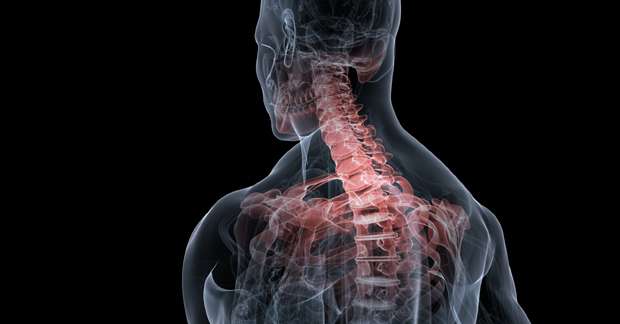
We have all heard about the "placebo effect" and the "power of
positive thinking." A placebo, according to Wikipedia, is "…a simulated
or otherwise medically ineffectual treatment for a disease or other
medical condition intended to deceive the recipient." When a placebo is
used, it will sometimes have a perceived beneficial effect. When this
occurs, [..]